

מערכת העיכול- המוח השני שלנו
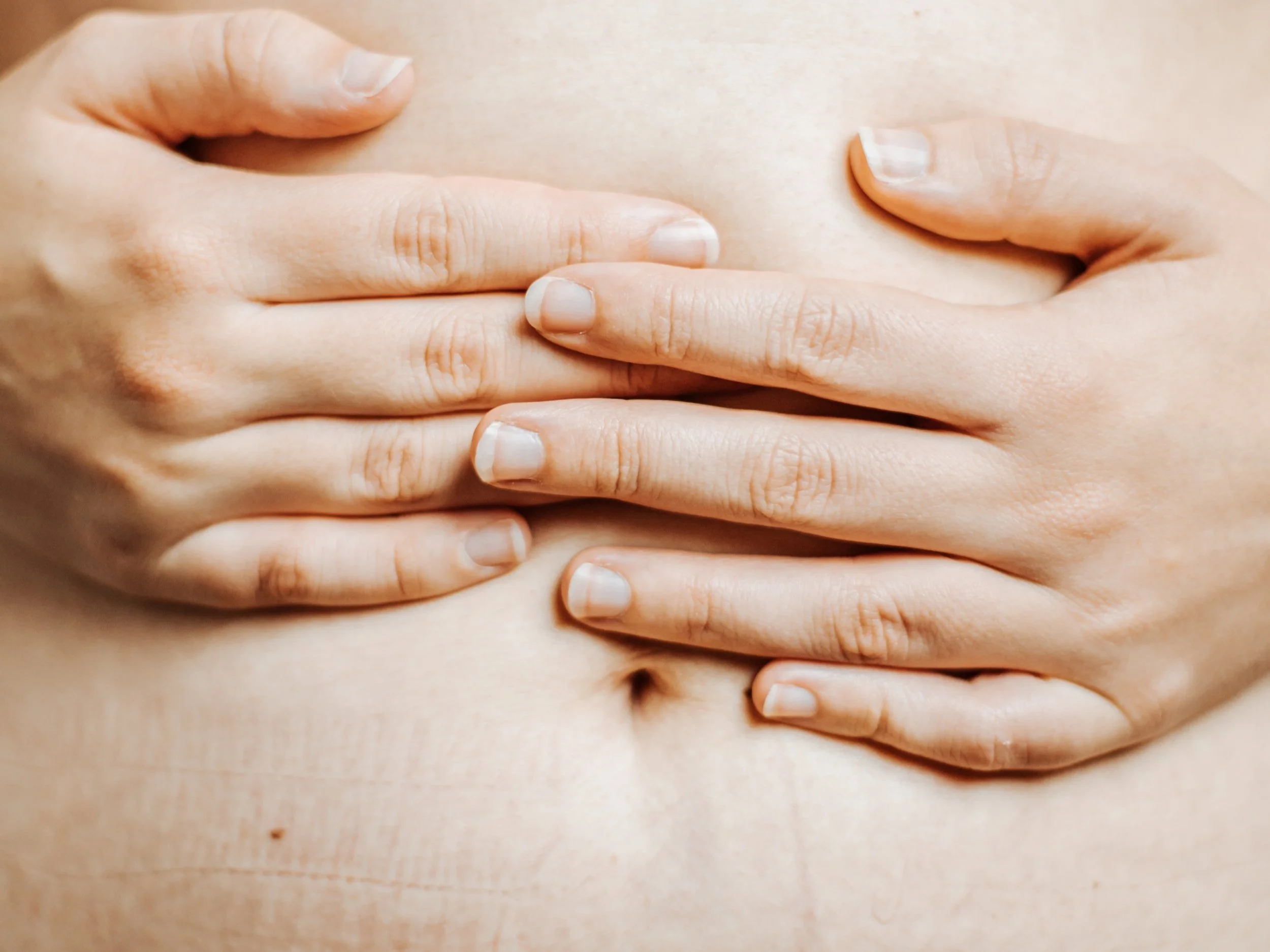
מאז שהייתי קטנה, הבטן שלי תמיד הייתה הראשונה להגיב לסיטואציות: התכווצויות ביום הזיכרון, שלשולים לפני מבחן, עצירות בטיולים - היא מדברת ונותנת סימני דרך, ואני, עם השנים, למדתי כמה חשוב להקשיב לה.ברפואה הסינית יש חשיבות גדולה למערכת העיכול, היא נחשבת למרכז התקשורת בין האיברים והמערכות השונות בגוף, ואיזון שלה יהיה משמעותי למצב הבריאות הכללי שלנו. לפי התאוריה של הרפואה הסינית, הטחול והקיבה הם שני האיברים העיקריים הקשורים למערכת העיכול ולאלמנט האדמה, שמאופיין עם מערכת זו. אלו הם למעשה שחקני המפתח בתהליך הבשלת המזון והפיכתו לצ'י- אנרגיית החיים.מה זה בכלל אלמנט האדמה?
כחלק מהפילוסופיה שעומדת בבסיס הרפואה הסינית, יש את תורת האלמנטים. לפיה, אלמנט האדמה מסמל את המחזוריות בטבע ויכולת השינוי. האדמה נחשבת דחוסה, פורייה ומאפשרת הזנה, צמיחה וטרנספורמציה. אדמה מאוזנת תורמת לתחושת הנוחות הבסיסית איתה אנחנו מסתובבים בעולם, הכבדות שלה, שמעגנת אותנו, היא זו שבעצם מאפשרת לנו תנועה קלילה וחופשית ברמה הפיזית והרגשית, הקונספט הוא למעשה סטטיות שיוצרת דינמיות- יש צורך ביין (חומר) בכדי לייצר יאנג (תנועה).ברפואה הסינית הקשר בין מצבנו הנפשי / מנטלי לבין תגובות במערכת העיכול הוא חד משמעי – תורת האיברים והאלמנטים מעולם לא הפרידה בין שני אלו. ולכן, גם הטיפול במערכת העיכול תמיד מתייחס גם למצב הרגשי של האדם. מעניין לראות איך בשנים האחרונות גם עולם המחקר של הרפואה המערבית מתחיל לחשוף את הקשר ההדדי הזה ולהביא הוכחות אמפיריות שלו, הנה טעימה קטנה של כמה מהן-קשר הורמונלי:
המעיים זה האיבר בעל ריכוז העצבים הכי גדול בגוף אחרי המוח, ככה זכה לכינוי "המוח הקטן" או "המוח השני". זו מערכת ששולחת ומקבלת אותות, ומגיבה לחוויות בפעילות גבוהה. היום יודעים שיש קשר הדוק בין רמות הסרוטונין שלנו – מוליך עצבי שמשפיע על מצב הרוח וההתנהגות, לבין הפרעות במערכת העיכול. לדוגמא, הרבה פעמים אפשר לראות אצל אנשים עם תופעת מעי רגיז, רמות סרוטונין לא תקינות או לא סדירות.
קשר עצבי:
תקשורת נוספת שיש בין מערכת העיכול לבין המוח מתקיימת באמצעות עצב הואגוס- עצב היוצא מגזע המוח, עובר דרך הוושט, הסרעפת, ומסתיים במערכת העיכול. גירוי של העצב הזה ישפיע על תחושות של לחץ וחרדה מצד אחד ועלול גם לגרום לתסמינים כמו שלשול, עצירות או חוסר תאבון.
חיידקי המעיים:
חיידקים ומיקרואורגניזמים אחרים חיים בהמוניהם באברי הגוף שלנו, והאוכלוסייה הגדולה ביותר נמצאת במעיים. לפני 20 שנה החלו להופיע עדויות ראשונות לכך שלחיידקי המעיים שלנו יש השפעה על המוח והמצב הנפשי שלנו, אך הדבר עורר סקפטיות רבה מצד הקהילה המדעית. לשמחתנו, בשנים האחרונות יש כל כך הרבה עדויות מוצקות בתחום עד שגם המדענים הסקפטיים ביותר השתכנעו.כבר מהדוגמאות הללו, ועוד לפני שצללנו לתוך כל אחת ואחת מהן, אפשר ללמוד שיש קשר הדוק בין הגוף הפיזי לרגשי שלנו, ובין מערכות הגוף השונות. אם אנחנו רוצים להיות בריאים ולחוש בטוב, עלינו לדאוג גם למצב הנפשי שלנו, ולהיפך.