
רפואה סינית
הרפואה הסינית היא מהעתיקות ביותר בהיסטוריה ונמצאת בשימוש כבר למעלה מ-3000 שנה ברחבי מזרח אסיה ובשנים האחרונות גם במערב. למרות היותה רפואה עתיקה היא ממשיכה להתפתח ולעבור שינויים כל הזמן.
התפיסה של הרפואה הסינית היא פילוסופית ורואה את אדם כחלק בלתי נפרד מהטבע, ולכן הוא מושפע מהתופעות השונות ביקום כמו עונות השנה, יום ולילה ועוד.
שיטת האבחון ברפואה הסינית מבוססת על תשאול, מישוש, התבוננות על הלשון ואבחון דופק. שילוב של כל אלו נותן למטפל את היכולת לאבחן את שורש הבעיה ולהבין איך ניתן לרפא את המחלה.
חלק מהכלים הטיפוליים של הרפואה הסינית הם דיקור, צמחי מרפא ותזונה- את אלו אני משלבת אצלי בקליניקה כחלק ממסגרת הטיפול.

דיקור יפני
הרפואה היפנית צמחה מתוך הרפואה הסינית, שהגיעה ליפן במאה החמישית לספירה. בהמשך, כשסין ויפן ניתקו קשרים, התפתחה הרפואה היפנית כתורה עצמאית וממנה נוצרו זרמים שונים. את אחד מהזרמים פיתח רופא עיוור, Sugiyama, שהיה מחדיר את המחט דרך צינורית קטנה שתסייע לו. עם השנים, כבשה השיטה את כל יפן, ואפילו הוקם בית ספר לדיקור לעיוורים במימון הממשלה.
השיטה בה אני מטפלת, שאותה מלמדים בישראל, מתבססת על אבחון מעמיק דרך ״ריפלקסים״ בבטן שעוזרים לנו לגלות מה מקור הבעיה. כדי להוריד את אותם ״רפלקסים״, עושים דיקור מאוד שטחי שמיד מפחית את הרגישות ומשפר את התלונה של המטופל.
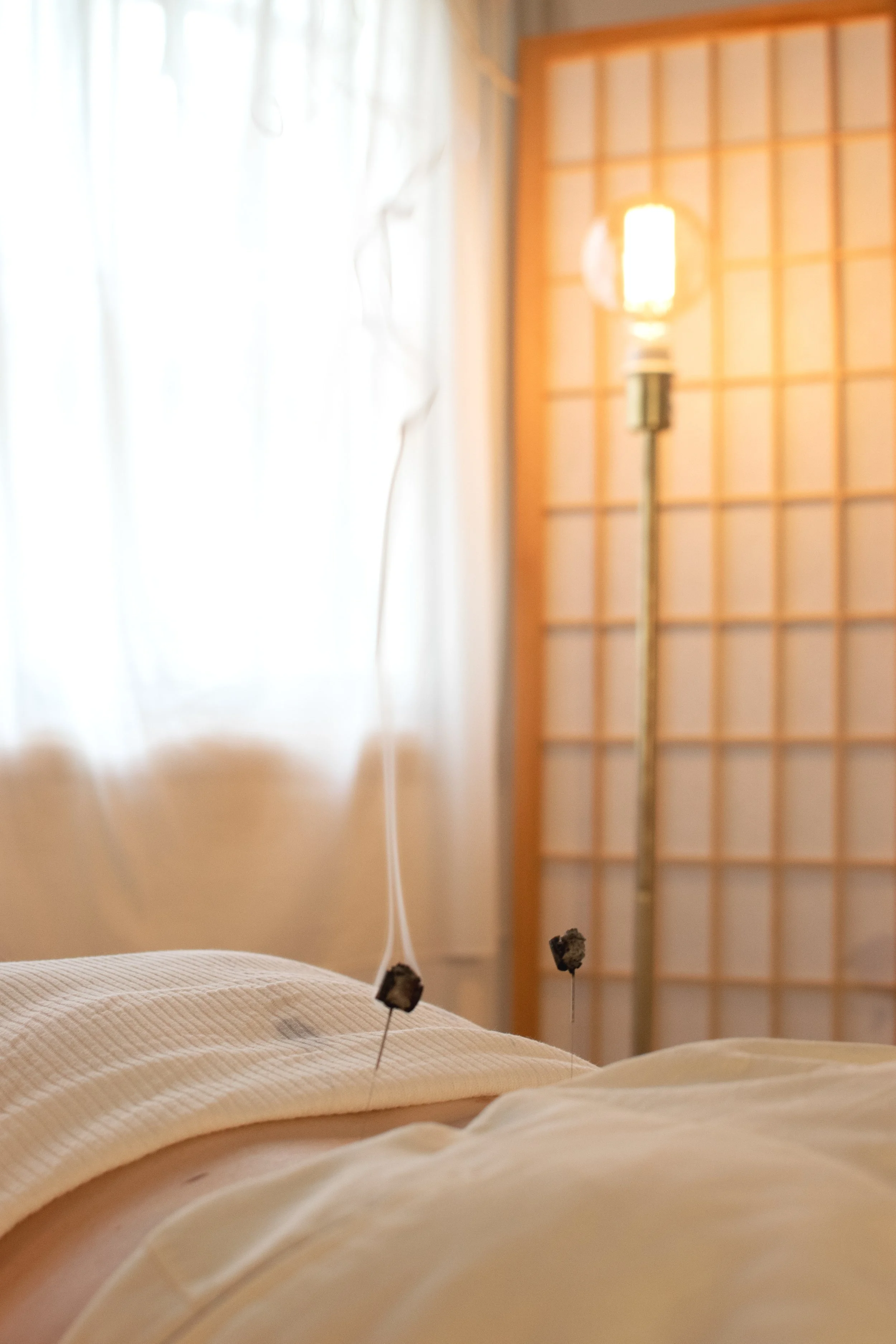
בנוסף לדיקור, אני משלבת טכניקה יפנית נוספת שנקראת מוקסה. מוקסה זה צמח הלענה הסיני שעובר עיבוד וניקוי של התאית ובסופו של דבר נראה כמו אבקה עדינה. את האבקה מדליקים על נקודת הדיקור כדי ליצור חימום ו״הפעלה״ של הנקודה. האפקט הוא שונה מזה של הדיקור.

פטריות וצמחי מרפא
רפואת הצמחים הסינית כוללת אלפי צמחי מרפא שונים, ועשרות רבות של תערובות מסורתיות, עליהן ניתן לבצע מודיפיקציות והתאמות אישיות לכל מטופל. הטיפול הוא מעמיק ומאפשר לאדם לטפל בעצמו גם בבית.
השימוש בפטריות מרפא הופך להיות יותר ויותר פופולרי בעולם המודרני, כשלמעשה ברפואת המזרח מדובר ב״טרנד״ של מעל 2000 שנה. לפטריות יש יכולות ריפוי יוצאות דופן שחלקן מגובות מחקרית וחלקן עוד נשארו בגדר תעלומה מבחינת המדע.
לעיתים אני משלבת גם תוספי תזונה במסגרת הטיפול, בעיקר כאלו שמפחיתים דלקתיות בגוף כמו כורכומין ואומגה 3.
תזונה בהתאמה אישית
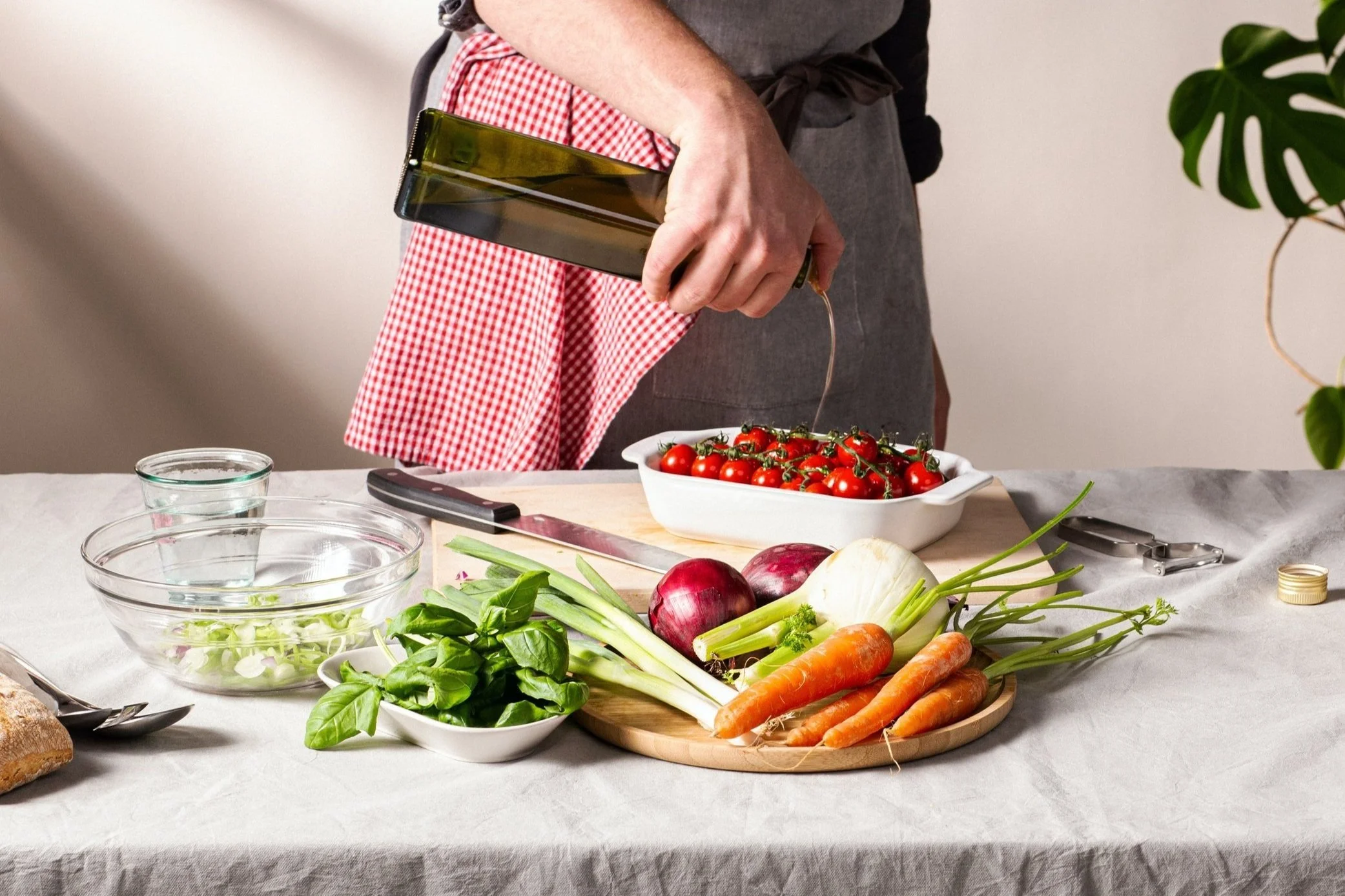
תזונה זה נושא שמעסיק אותנו לא מעט, רובנו נמצאים במאבק מתמיד בין החשקים שלנו לבין מה ״בריא״ לאכול. בין אינסוף האפשרויות אכילה מצד אחד, לבין שפע הדעות, העצות והמאמרים הסותרים מהצד השני, כל נושא התזונה הפך להיות נושא מאתגר באמצע.
אחרי שנים של למידה ובחינה של הנושא, אספתי כלים המאפשרים לי להתאים תזונה אישית למטופל דרך התבוננות הוליסטית. כלים אלו הם שילוב של ידע מערבי- התאמת תזונה לפי חוסרים בבדיקות הדם והתסמינים שמהם סובל המטופל, וידע עתיק- התאמת תזונה אישית על פי האבחנה הסינית של אותו אדם.